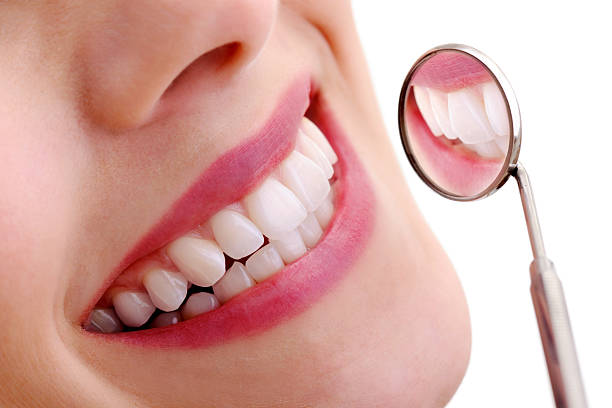

A complete, healthy smile plays an important role in both appearance and daily life. When one or more teeth are missing, it can affect not only how you look but also how you speak, chew, and maintain overall oral health. Fortunately, modern dentistry offers effective solutions to replace missing teeth, and one of the most reliable options is a dental bridge.
Dental bridges are designed to “bridge the gap” created by missing teeth, restoring both function and aesthetics. In this article, we will explore how dental bridges work, their benefits, and why they are an excellent option for restoring your smile and oral function.
What Is a Dental Bridge?
A dental bridge is a fixed dental restoration used to replace one or more missing teeth. It consists of artificial teeth, known as pontics, which are supported by adjacent natural teeth or dental implants. These supporting teeth are called abutments and play a crucial role in holding the bridge securely in place.
Unlike removable dentures, dental bridges are permanently placed and provide a stable and natural-feeling solution. They are custom-made to match the color, size, and shape of your existing teeth, ensuring a seamless and natural appearance.
How Missing Teeth Affect Your Oral Health
Before understanding how dental bridges help, it is important to recognize the impact of missing teeth on your oral health and daily life.
When a tooth is lost, the surrounding teeth can begin to shift into the empty space. This can lead to misalignment, bite problems, and difficulty in cleaning between teeth. Missing teeth can also cause the jawbone to weaken over time due to lack of stimulation, which may result in changes to your facial structure.
In addition, gaps in your smile can make it harder to chew food properly and may even affect your speech. Many people also experience a decrease in confidence due to visible tooth loss.
Restoring Your Smile with Dental Bridges
One of the most immediate benefits of dental bridges is the restoration of your smile. The artificial teeth used in a bridge are carefully designed to blend in with your natural teeth. This means that once the bridge is placed, it becomes almost impossible to notice the difference between the artificial and natural teeth.
By filling the gap left by missing teeth, dental bridges help create a complete and balanced smile. This can significantly boost your self-confidence and improve your overall appearance. Whether you are speaking, laughing, or smiling, you can feel more comfortable and assured.
Improving Chewing and Eating Ability
Missing teeth can make everyday tasks like eating more difficult. You may find it challenging to chew certain foods, especially those that are hard or require even pressure from both sides of the mouth.
Dental bridges restore your ability to chew effectively by replacing the missing teeth with functional artificial ones. This allows you to enjoy a wider variety of foods and maintain a balanced diet. Proper chewing also aids digestion, contributing to better overall health.
With a dental bridge in place, you can eat comfortably without worrying about discomfort or uneven pressure on your remaining teeth.
Enhancing Speech Clarity
Teeth play a key role in the way we speak. Missing teeth, especially in the front of the mouth, can affect pronunciation and lead to speech difficulties such as slurring or lisping.
Dental bridges help restore proper speech by filling in the gaps that may interfere with tongue placement and airflow. Once the bridge is in place, most patients notice an improvement in their ability to speak clearly and confidently.
Preventing Teeth Shifting
When there is an empty space in your mouth, the surrounding teeth may gradually move into that space. This shifting can lead to misalignment, bite issues, and even jaw pain over time.
Dental bridges act as a placeholder, keeping your remaining teeth in their correct positions. By preventing unwanted movement, they help maintain proper alignment and support overall oral health.
Maintaining Facial Structure
Missing teeth can lead to changes in the shape of your face. Over time, the lack of support in certain areas can cause a sunken or aged appearance.
Dental bridges help maintain the natural shape of your face by providing support where teeth are missing. This helps preserve your facial structure and prevents premature aging caused by tooth loss.
Supporting Overall Oral Health
Dental bridges do more than just replace missing teeth; they also contribute to better oral health. By filling gaps, they reduce the risk of food particles getting trapped, which can lead to plaque buildup and gum disease.
Additionally, dental bridges distribute biting forces evenly across your teeth, reducing strain on individual teeth. This helps protect your remaining natural teeth from excessive wear and damage.
Types of Dental Bridges
There are several types of dental bridges available, depending on your specific needs:
Traditional bridges are the most common type and involve placing crowns on the adjacent teeth to support the artificial tooth.
Cantilever bridges are used when there is only one supporting tooth available.
Maryland bridges use a metal or porcelain framework bonded to the back of adjacent teeth, making them a more conservative option.
Implant-supported bridges are anchored by dental implants rather than natural teeth, offering enhanced stability and durability.
Your dentist will recommend the most suitable type based on your oral condition and treatment goals.
The Dental Bridge Procedure
The process of getting a dental bridge typically involves a few steps. First, the supporting teeth are prepared by reshaping them to accommodate crowns. Impressions are then taken to create a custom bridge that fits perfectly in your mouth.
A temporary bridge may be placed while your permanent one is being fabricated. Once the final bridge is ready, it is carefully fitted, adjusted, and cemented into place.
The result is a secure, natural-looking restoration that feels comfortable and functions like your real teeth.
Caring for Your Dental Bridge
Proper care is essential to ensure the longevity of your dental bridge. Maintaining good oral hygiene is key. This includes brushing twice a day, flossing daily, and using special cleaning tools to reach under the bridge.
Regular dental check-ups are also important to monitor the condition of your bridge and overall oral health. With proper care, dental bridges can last many years and continue to provide reliable function and aesthetics.
Are Dental Bridges Right for You?
Dental bridges are an excellent option for many patients who are missing one or more teeth and want a fixed, non-removable solution. However, the suitability of a dental bridge depends on factors such as the health of your surrounding teeth and gums.
Consulting with a qualified dental professional is the best way to determine if a dental bridge is the right choice for your needs.
Conclusion
Dental bridges are a proven and effective solution for restoring both your smile and oral function. By replacing missing teeth, they help improve your appearance, enhance your ability to chew and speak, and support overall oral health.
If you are dealing with missing teeth, a dental bridge can offer a reliable and long-lasting solution that brings back confidence and comfort to your daily life. Investing in your oral health today can lead to a healthier, more confident smile for years to come.