
In the industrial packaging world, first impressions matter – but so does performance. For B2B buyers and procurement managers, finding a packaging solution that delivers both premium visual appeal and heavy-duty functional strength has historically been a difficult balance to strike.
BOPP bags are changing that equation entirely.
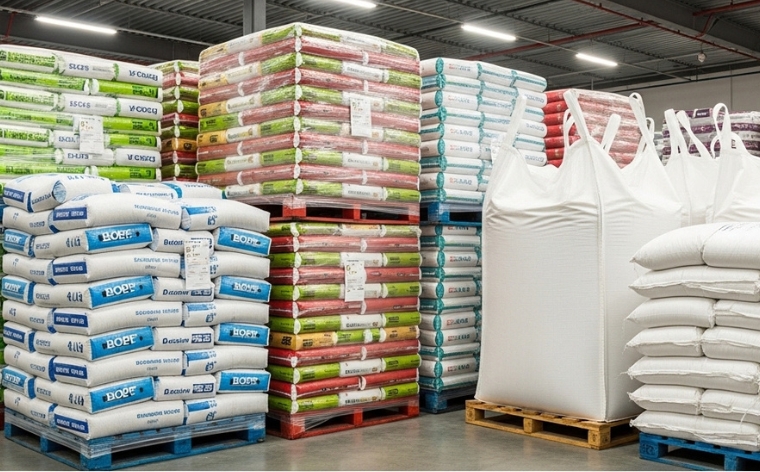
Biaxially Oriented Polypropylene (BOPP) bags are rapidly becoming the packaging format of choice across food processing, agriculture, retail, chemicals, and animal feed industries. They combine the structural strength of woven polypropylene with a high-gloss, photographic-quality printed surface – giving businesses a packaging solution that protects the product inside while powerfully communicating the brand outside.
For procurement teams evaluating packaging upgrades, or businesses currently working with standard PP woven bags, this guide covers everything you need to know – including the critical difference between PP bags and BOPP bags – to make a confident sourcing decision.
What Is a BOPP Bag?
A BOPP bag is a woven polypropylene bag laminated with a Biaxially Oriented Polypropylene (BOPP) film on its outer surface. The term “biaxially oriented” refers to the manufacturing process in which the polypropylene film is stretched in two directions – lengthwise and widthwise – to enhance its clarity, strength, and printability.
The result is a packaging bag that combines:
- The structural strength of woven PP fabric as its base layer
- The high-gloss, crystal-clear surface of BOPP film as its outer laminate
- Photographic-quality multicolor printing applied directly onto the BOPP film surface
This three-layer construction – woven PP base, BOPP film laminate, and printed surface – is what makes BOPP bags fundamentally different from standard PP woven bags in both appearance and performance.
The Key Difference Between PP Bags and BOPP Bags
One of the most common questions procurement teams ask when evaluating packaging options is: what exactly is the difference between PP bags and BOPP bags?
While both are built on a woven polypropylene base, the distinction lies in the lamination and surface finishing:
Standard PP Woven Bags use a basic polypropylene laminate or no laminate at all. Print quality is limited to simple flexographic printing with a narrow color range. The surface finish is matte and functional – suitable for commodity packaging where branding is not a priority.
BOPP Bags use a biaxially oriented polypropylene film laminated onto the woven PP base. This BOPP film surface accepts high-resolution, multicolor rotogravure or flexographic printing – delivering vibrant, photographic-quality graphics that dramatically elevate brand visibility on shelf and in distribution.
The practical implications of this difference are significant for B2B buyers:
- Print quality: BOPP bags deliver superior color reproduction, sharper graphics, and a premium gloss finish versus standard PP woven bags
- Moisture barrier: BOPP lamination provides an enhanced moisture barrier compared to standard PP lamination
- Brand communication: BOPP bags enable detailed product information, nutritional data, barcodes, and brand imagery to be printed with precision
- Cost: BOPP bags carry a modest price premium over standard PP woven bags – but the brand value and shelf differentiation they deliver typically justify the investment for consumer-facing products
For businesses selling into retail channels or competing in branded commodity markets, the difference between PP bags and BOPP bags is ultimately the difference between commodity packaging and brand packaging.
Types of BOPP Bags
BOPP bags are available in several configurations, each suited to specific application requirements:
1. BOPP Laminated Woven Bags The most common format – a woven PP base with BOPP film laminated on the outer surface. Used widely in food processing, agriculture, and retail packaging.
2. Pinch Bottom BOPP Bags Feature a pinch-seal bottom closure that creates a flat, stable base – ideal for products displayed upright on retail shelves. Common in pet food, flour, and specialty grain packaging.
3. Block Bottom BOPP Bags Offer a rectangular block-shaped base for maximum shelf stability and a premium retail appearance. Preferred by premium food brands and specialty agricultural product companies.
4. Valve BOPP Bags Designed for automated filling lines where product is filled through a valve opening. Used in cement, chemical powder, and food ingredient packaging where high-speed filling efficiency is required.
5. Side Gusset BOPP Bags Feature expandable side gussets for increased volume capacity. Used in animal feed, rice, and bulk food grain packaging where higher fill weights are required.
Key Benefits of BOPP Bags for B2B Buyers
Premium Brand Visibility
The most immediate benefit of BOPP bags is their visual impact. The high-gloss BOPP film surface enables photographic-quality multicolor printing that transforms a functional packaging bag into a powerful brand communication tool. For businesses competing in retail or branded wholesale markets, this visual differentiation directly influences purchasing decisions at the point of sale.
Superior Moisture and Contamination Protection
BOPP lamination creates a robust moisture barrier that protects product integrity during storage, transit, and retail display. This is particularly valuable for moisture-sensitive products such as food grains, flour, sugar, animal feed, and specialty chemicals where packaging failure leads directly to product spoilage and financial loss.
High Structural Strength
Despite its premium surface finish, a BOPP bag retains the full structural strength of its woven polypropylene base. Load-bearing capacity, seam strength, and puncture resistance remain consistent with standard PP woven bag performance – ensuring that premium appearance does not come at the cost of functional reliability.
Extended Shelf Life for Packaged Products
The combination of moisture barrier properties and robust structural integrity extends the effective shelf life of packaged products. For food manufacturers and agri-businesses managing extended supply chains or export distribution, this shelf life extension has a direct impact on product quality and customer satisfaction.
Compliance-Ready Printing Surface
BOPP bags offer a print surface capable of reproducing regulatory compliance information – ingredient lists, nutritional data, certification marks, barcodes, and QR codes – with the precision and clarity required by food safety, agricultural, and retail compliance standards.
Industrial Applications of BOPP Bags
BOPP bags serve a wide range of B2B applications across multiple sectors:
- Food Processing: Flour, sugar, rice, pulses, spices, and packaged food ingredients where brand visibility and moisture protection are equally important.
- Agriculture: Seed packaging, specialty fertilizers, and premium agri-inputs where product differentiation at the retail or distribution level is a competitive priority.
- Animal Feed: Pet food, poultry feed, and aquaculture feed packaging where attractive retail presentation drives consumer purchase decisions.
- Chemicals: Specialty chemical powders, detergent powders, and industrial additives where precise product identification and moisture protection are required.
- Retail & FMCG: Consumer goods packaging where shelf impact, brand consistency, and packaging aesthetics directly influence sales performance.
What to Look for in BOPP Bag Suppliers
Selecting the right partner from available BOPP bag suppliers is as important as selecting the right bag specification. Key evaluation criteria include:
- Printing capability: Confirm the supplier operates rotogravure or high-quality flexographic printing in-house. Print quality is the primary differentiator in BOPP bags – outsourced printing introduces quality control risk.
- Lamination quality: Evaluate bond strength between the BOPP film and woven PP base. Poor lamination results in delamination during transit or storage – a costly failure mode.
- Bag construction options: Confirm availability of pinch bottom, block bottom, valve, and gusset configurations to match your specific product and filling line requirements.
- Certifications: For food-grade applications, verify food-contact material approvals (FSSAI, FDA). For export markets, confirm compliance with destination country packaging standards.
- Sampling and prototyping capability: Qualified BOPP bag suppliers should offer pre-production sampling with print proofs before committing to full production runs. This protects buyers from costly print or specification errors at scale.
- MOQ and lead time: Understand minimum order quantities and standard production lead times. For seasonal businesses or product launches, lead time flexibility is a critical supplier selection factor.
Conclusion
BOPP bags represent a significant evolution in industrial and consumer packaging – combining the proven structural performance of woven polypropylene with a premium printed surface that delivers brand impact at every point in the supply chain.
For B2B procurement teams evaluating packaging upgrades, understanding the difference between PP bags and BOPP bags is the starting point for making a specification decision that aligns packaging investment with brand strategy and product protection requirements.
Whether your priority is retail shelf impact, moisture protection, compliance labeling, or supply chain reliability – BOPP bags deliver across all dimensions. The key is partnering with experienced, certified BOPP bag suppliers who can consistently deliver print quality, structural integrity, and specification flexibility at industrial scale.
Looking to source BOPP bags for your packaging requirements? Connect with our technical team to discuss specifications, print options, certifications, and volume pricing tailored to your industry.