
Switching to a self watering planter promises easier maintenance and more consistent moisture for your plants. But the transition from traditional pots is not always seamless. Plants accustomed to one watering rhythm need time to adjust to another. Rushing the change or skipping key steps leads to stress, root problems, and disappointing results.
Understanding the Difference
Traditional pots drain freely. You water from the top, moisture flows through the soil, and excess water exits the drainage holes. The soil goes through wet and dry cycles depending on how often you water.
Self-watering systems work differently. A reservoir below the soil wicks moisture upward through capillary action. The soil stays consistently moist rather than cycling between wet and dry. Roots access water on demand instead of waiting for your next watering session.
This consistency benefits most plants, but roots grown in traditional pots have adapted to their current environment. The transition requires helping them adjust to constant moisture availability.
Preparing the Plant
Start by examining the root system before transplanting. Remove the plant from its current pot and inspect the roots. Healthy roots appear white or tan and feel firm. Brown, mushy, or foul-smelling roots indicate existing problems you should address before moving forward.
Gently loosen the root ball, especially if roots have circled the pot edges. Root-bound plants transplant poorly because those circling roots struggle to grow outward into new soil. Loosening encourages fresh growth in the direction of the moisture source.
Trim any dead or damaged roots with clean scissors. Removing compromised tissue reduces the risk of rot spreading in the consistently moist environment of a self watering planter.
Choosing the Right Soil Mix
Standard garden soil holds too much moisture for self-watering systems and leads to waterlogged conditions. Heavy mixes with lots of peat create similar problems.
Use a lightweight potting mix with perlite, vermiculite, or pumice for drainage and aeration. The goal is soil that wicks moisture effectively while still allowing air to reach the roots. Some gardeners mix standard potting soil with extra perlite at a ratio of roughly three parts soil to one part perlite.
Avoid mixes with water-retaining crystals or gels. These additives make sense for traditional pots where moisture conservation helps, but they cause oversaturation in self-watering setups where moisture already stays consistent.
The Transplanting Process
Fill the planter with your prepared soil mix, leaving enough space for the root ball. Position the plant at the same depth it sat in the previous container. Planting too deep buries the stem and invites rot. Planting too shallow exposes roots to air.
Firm the soil gently around the roots without compacting it heavily. Overly dense soil slows capillary action and reduces oxygen availability. A light touch keeps the structure loose enough for proper wicking.
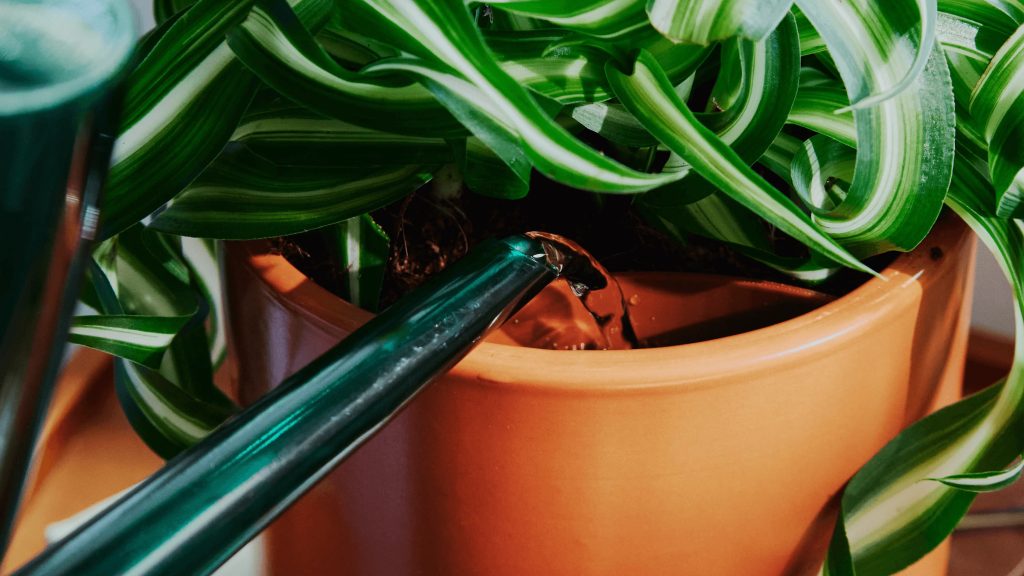
Water thoroughly from the top after transplanting. This initial top watering settles the soil around the roots and ensures good contact between the root ball and the surrounding mix. It also starts the wicking process by saturating the soil column above the reservoir.
The Adjustment Period
For the first two weeks, monitor the plant closely. Some wilting or drooping is normal as roots adjust to the new moisture pattern. Keep the reservoir filled, but watch for signs of overwatering, such as yellowing lower leaves or mushy stems.
Roots grown in dry-cycle conditions take time to develop the fine feeder roots that thrive in consistent moisture. During this period, the plant may drink less from the reservoir than you expect. Don’t overfill or top-water excessively. Let the system work.
Garden watering schedules typically change after the transition. Instead of checking soil moisture daily and watering as needed, you simply monitor the reservoir level and refill when it runs low. Most plants need reservoir refills every five to ten days, depending on size and conditions.
Plants That Transition Easily
Tropical houseplants, herbs, tomatoes, peppers, and leafy greens adapt well to self-watering systems. These plants appreciate consistent moisture and respond quickly to stable conditions.
Succulents, cacti, and plants native to arid climates struggle in self-watering planters. Their roots expect dry periods and may rot in constantly moist soil. Keep these plants in traditional pots with excellent drainage.
Signs of Successful Transition
Healthy new growth indicates the plant has adapted. Leaves regain normal color and firmness. Roots begin exploring the new soil and growing toward the moisture source. Garden watering becomes simpler as you shift from daily checks to weekly reservoir refills.