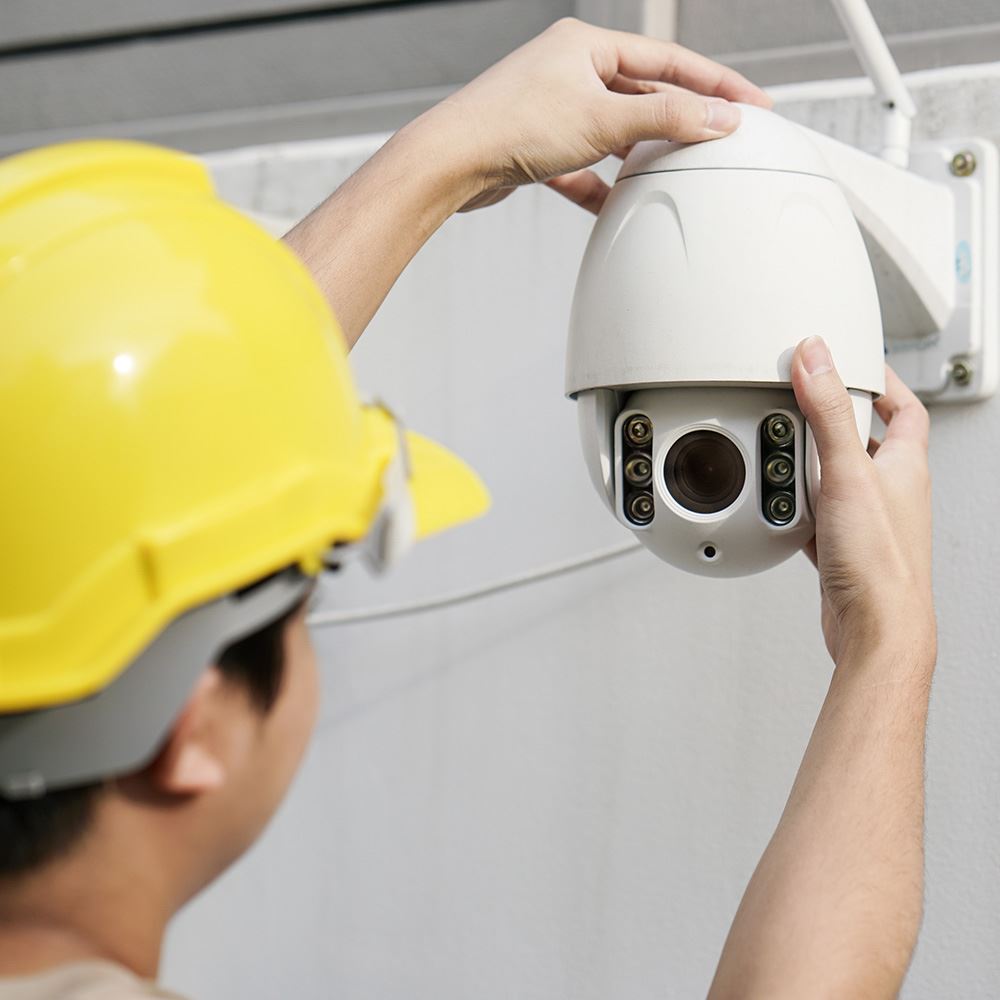

CCTV installation has become an essential security solution for homes, businesses, and public spaces across the UK. While installing CCTV cameras can significantly improve safety and crime prevention, it is equally important to understand the legal responsibilities and privacy obligations that come with their use. Failing to comply with UK CCTV laws can result in complaints, fines, or enforcement action.
This guide explains the key legal requirements, data protection rules, and privacy considerations you must follow when installing and operating CCTV systems in the UK.
Understanding CCTV Law in the UK
CCTV systems in the UK are governed by a combination of data protection legislation, privacy laws, and regulatory guidance. These rules exist to ensure that surveillance is carried out responsibly and does not unfairly infringe on individual privacy.
Whether CCTV is used in a domestic or commercial setting, the law focuses on how footage is captured, stored, used, and shared.
Data Protection Act 2018 and UK GDPR Explained
What Is the Data Protection Act 2018?
The Data Protection Act 2018, alongside the UK General Data Protection Regulation (UK GDPR), forms the core legal framework for CCTV usage. CCTV footage is considered personal data if it can identify an individual.
If your cameras capture people beyond your private household, such as public streets or neighbouring properties, you must comply with these regulations.
When Does UK GDPR Apply to CCTV?
UK GDPR applies when:
- Cameras record public areas
- Footage includes identifiable individuals
- CCTV is used by businesses or landlords
Purely domestic systems that only cover your own private property may be exempt, but this exemption is very limited.
Domestic CCTV Installation: Legal Responsibilities for Homeowners
Can Homeowners Install CCTV Cameras?
Yes, homeowners are allowed to install CCTV for security purposes. However, legal obligations arise when cameras extend beyond your property boundary.
Key Rules for Domestic CCTV
- Cameras should be positioned to avoid neighbouring homes or public areas
- Recording must be necessary and proportionate
- Footage must not be used for harassment or monitoring others
- Audio recording should generally be avoided, as it is highly intrusive
If your system captures public spaces, you may be required to follow data protection rules similar to businesses.
Commercial CCTV Installation: Business Compliance Requirements
Businesses face stricter CCTV obligations because they routinely monitor staff, customers, and visitors.
Business Owners Must:
- Register with the Information Commissioner’s Office (ICO)
- Have a lawful reason for CCTV use (e.g., crime prevention)
- Inform people they are being recorded
- Securely store and manage footage
- Respond to data access requests
Professional installers like sahisecure volt often help businesses design systems that meet compliance standards from day one.
CCTV Signage Requirements in the UK
Why CCTV Signs Are Mandatory
Clear signage is a legal requirement whenever CCTV is in use and individuals may be recorded.
What CCTV Signs Must Include
- A clear statement that CCTV is operating
- The purpose of recording (e.g., security)
- The name or role of the system operator
- Contact details where applicable
Signs must be visible before people enter the recorded area, not hidden or unclear.
Privacy Rights and CCTV Footage Access
Subject Access Requests (SARs)
Under UK law, individuals have the right to request access to CCTV footage that includes them. These requests are known as Subject Access Requests.
You must:
- Respond within one month
- Provide footage securely
- Blur or redact third parties if necessary
When You Can Refuse a Request
A request may be refused if:
- It compromises another person’s privacy
- It is excessive or unfounded
- The footage has already been lawfully deleted
How Long Can CCTV Footage Be Stored?
There is no fixed legal retention period, but footage must not be kept longer than necessary.
Recommended Storage Practices
- Domestic users: typically 7–14 days
- Small businesses: 14–31 days
- High-risk environments: slightly longer if justified
Once footage is no longer required, it must be securely deleted.
Audio Recording and Covert Surveillance Rules
Is Audio Recording Legal?
Audio recording using CCTV is strongly discouraged and often unlawful, as it is far more intrusive than video recording. In most cases, it violates privacy laws unless there is an exceptional justification.
Hidden Cameras and Covert CCTV
Covert CCTV is only lawful in rare circumstances, such as serious criminal investigations, and must be:
- Time-limited
- Justified
- Used as a last resort
For homes and businesses, hidden cameras are almost always illegal.
CCTV and Employee Monitoring Laws
Monitoring employees using CCTV requires extra caution.
Employers Must:
- Inform staff clearly about CCTV use
- Avoid recording areas like toilets or break rooms
- Justify monitoring with legitimate business reasons
- Limit access to footage
Using CCTV to secretly monitor staff performance can lead to serious legal consequences.
Best Practices for Legal and Ethical CCTV Installation
Following best practices ensures compliance and builds trust.
CCTV Compliance Checklist
- Conduct a privacy impact assessment
- Position cameras responsibly
- Use clear signage
- Secure footage with passwords and encryption
- Restrict access to authorised individuals
- Review CCTV usage regularly
Professional planning reduces the risk of complaints and enforcement action.
Consequences of Non-Compliance
Failure to follow UK CCTV laws can result in:
- ICO investigations
- Fines and enforcement notices
- Legal claims for privacy breaches
- Reputational damage
Even domestic users can face legal action if CCTV is misused
Final Thoughts on CCTV Legal Compliance in the UK
CCTV installation is a powerful security tool, but it carries significant legal and ethical responsibilities. Understanding UK privacy rules, data protection laws, and signage requirements is essential for both homeowners and businesses.
By installing CCTV responsibly, limiting data collection, and respecting privacy rights, you can protect your property without breaking the law. Legal compliance not only avoids penalties but also ensures your CCTV system operates fairly, transparently, and effectively.