
Managing blood sugar doesn’t mean giving up satisfying meals. If bread has always been a staple in your diet, the idea of cutting it back can feel daunting. But the good news is that there are plenty of delicious, practical alternatives that let you enjoy sandwiches, wraps, and toast-style dishes without the glucose rollercoaster.
This guide covers everything you need to know — from fresh vegetable swaps to smart store-bought options — so you can make confident, blood-sugar-friendly choices every day.
Why Traditional Bread Is Problematic for Diabetics
To understand why substitutes matter, it helps to know what’s happening in your body when you eat conventional bread.
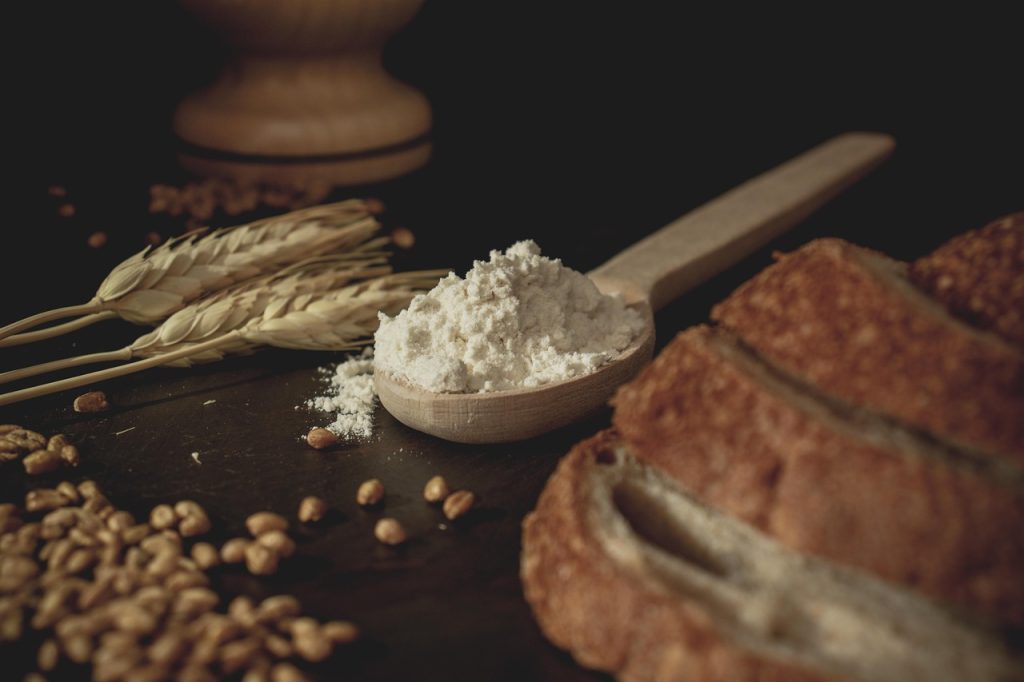
Most white and wheat breads are made from refined flour — grain that has been stripped of its outer bran and germ. This process removes most of the fiber, the very thing that slows down how quickly carbohydrates are digested and absorbed. Without that fiber buffer, the starch in bread converts to glucose rapidly, causing a sharp spike in blood sugar followed by an equally sharp crash.
The glycemic index (GI) of white bread sits between 70 and 75, which is considered high. Even many “whole wheat” breads score in the 60–70 range — still high enough to cause significant fluctuations. Repeated blood sugar spikes over time are associated with insulin resistance and long-term complications, which is why managing post-meal glucose is a central priority for anyone living with diabetes.
What to Look for in a Good Bread Alternative
Not all substitutes are equal. When evaluating any bread replacement, consider three things:
Net carbohydrates — This is total carbs minus fiber. Aim for options with 5–10g of net carbs per serving or fewer. Fiber-rich foods may have a high total carb count on the label but a much lower glycemic impact.
Glycemic index — Lower is better. Foods with a GI under 55 are generally considered low-glycemic and have a gentler effect on blood sugar.
Ingredient quality — Whole foods (vegetables, nut flours, seeds) are preferable to processed “low-carb” products that may contain artificial sweeteners, hidden starches, or large amounts of sodium.
Fresh Vegetable Alternatives
Using vegetables in place of bread is one of the most effective strategies available. You eliminate refined carbs entirely while adding vitamins, minerals, and fiber to your meal.
Lettuce and leafy greens are the most versatile option. Large outer leaves of romaine, iceberg, or butter lettuce work as wraps for fillings like tuna salad, grilled chicken, or falafel. Collard greens, lightly blanched to soften them, are even sturdier and make excellent wraps for heartier fillings.
Portobello mushroom caps can be roasted or grilled and used as burger buns. Their meaty texture and umami flavor make them one of the most satisfying bread replacements available — particularly for people who miss a good burger.
Bell peppers sliced in half lengthwise become natural “boats” for fillings, while thick slices of cucumber or eggplant can substitute for crackers or toast under toppings like hummus or smoked salmon.
Cabbage leaves, especially when lightly steamed, are strong enough to wrap around warm fillings like stir-fried vegetables or ground meat.
These options are not just low in carbs — they are genuinely nutritious additions to your diet that most people simply don’t eat enough of.
Nut Flour and Seed-Based Breads
For those who want the texture and substance of real bread, baked alternatives made from almond flour, coconut flour, or flaxseed are excellent choices.
Almond flour bread is probably the most popular home-baked option. Almond flour is low in carbohydrates, high in healthy fats and protein, and has a mild flavor that works well in both savory and slightly sweet applications. A typical homemade almond flour bread contains around 2–4g of net carbs per slice compared to 15–20g in a standard white bread slice.
Coconut flour is even more absorbent and lower in carbs than almond flour, though it requires more liquid in recipes and has a slightly distinct flavor. It’s also high in fiber, which further blunts its glycemic impact.
Flaxseed wraps are another great option. Ground flaxseed is rich in omega-3 fatty acids and soluble fiber, and when combined with eggs and a pinch of spices, it forms a pliable wrap that can be cooked in a skillet in under five minutes.
Sprouted Grain Bread: When You Want Real Bread
If you prefer to stick with actual bread, sprouted grain varieties are the most diabetes-friendly option on the market. Brands like Ezekiel 4:9 are made from whole grains and legumes that have been allowed to sprout before milling. The sprouting process breaks down some of the starch, increases nutrient bioavailability, and lowers the glycemic index compared to conventional whole wheat bread.
Sprouted grain bread still contains carbohydrates — roughly 15g per slice — so portion control remains important. But for many people with diabetes, one slice of sprouted grain bread paired with protein and healthy fat (such as avocado and eggs) can fit comfortably into a balanced meal plan without causing problematic blood sugar swings.
Always check the label: the first ingredient should be a whole sprouted grain, not enriched flour.
Low-Carb Store-Bought Options
The market for low-carb breads has expanded considerably. Supermarkets and health food stores now carry a variety of options specifically formulated for people managing carbohydrate intake. A few things to keep in mind when shopping:
Look at net carbs, not just total carbs. Many low-carb breads use chicory root fiber, oat fiber, or resistant wheat starch to reduce the digestible carb count significantly.
Watch for hidden ingredients. Some products labeled “low carb” are simply sliced thinner or contain added sugar alcohols that can still affect blood sugar in some individuals.
Keto bread is a category worth exploring. Most keto breads use a base of eggs, cheese, almond flour, or psyllium husk to create a bread-like texture with minimal carbs — often 1–3g of net carbs per slice. The trade-off is that these products tend to be calorie-dense, so they are best used thoughtfully rather than as an unlimited swap.
What About Tortillas and Wraps?
A common misconception is that wraps are automatically healthier than bread. This is often not the case. A large flour tortilla can contain 30–45g of carbohydrates — more than two slices of white bread. If you enjoy wraps, look for these better options:
Small corn tortillas are lower in carbs than flour versions and have a lower glycemic index because of their whole corn content. One small corn tortilla typically contains around 10–12g of total carbs.
Low-carb wraps made with ingredients like almond flour, coconut flour, or fiber-enriched dough are available in most health food stores and many supermarkets. Check for a net carb count of 5g or less per wrap.
Homemade coconut wraps made from coconut meat are also available at specialty stores and work well as a neutral-flavored wrap for both sweet and savory fillings.
Practical Tips for Getting Started
Making dietary changes is most successful when approached gradually. Here are a few strategies that help:
Start with one swap per week. If you currently eat bread at every meal, pick one mealtime — say, lunch — and replace it with a lettuce wrap or almond flour alternative. Let that become familiar before expanding.
Pair your substitute with protein and fat. Whether you’re using a portobello cap or a low-carb tortilla, pairing it with protein (chicken, eggs, legumes) and healthy fat (avocado, olive oil, nuts) helps further slow glucose absorption and keeps you full longer.
Batch-prepare where possible. Homemade almond flour bread or flaxseed wraps can be made in advance and stored in the refrigerator or freezer, making it easy to grab a diabetes-friendly option without extra effort on busy days.
Monitor your response. Every person with diabetes is different. A food that causes minimal blood sugar impact for one person may affect another differently. If you have a continuous glucose monitor or test regularly, pay attention to how different substitutes affect your numbers and adjust accordingly.
Living with diabetes doesn’t mean resigning yourself to bland or unsatisfying food. Bread is one of the most habitual foods in modern diets, but it is also one of the easiest to replace once you know your options. Fresh vegetables, nut-flour baked goods, sprouted grain loaves, and thoughtfully chosen store-bought alternatives all offer real, workable solutions that support stable blood sugar without sacrificing the pleasure of eating.
The key is understanding what makes a substitute genuinely better not just marketable and building a personal toolkit of options you actually enjoy. From there, the adjustments become less like deprivation and more like a natural extension of eating well.