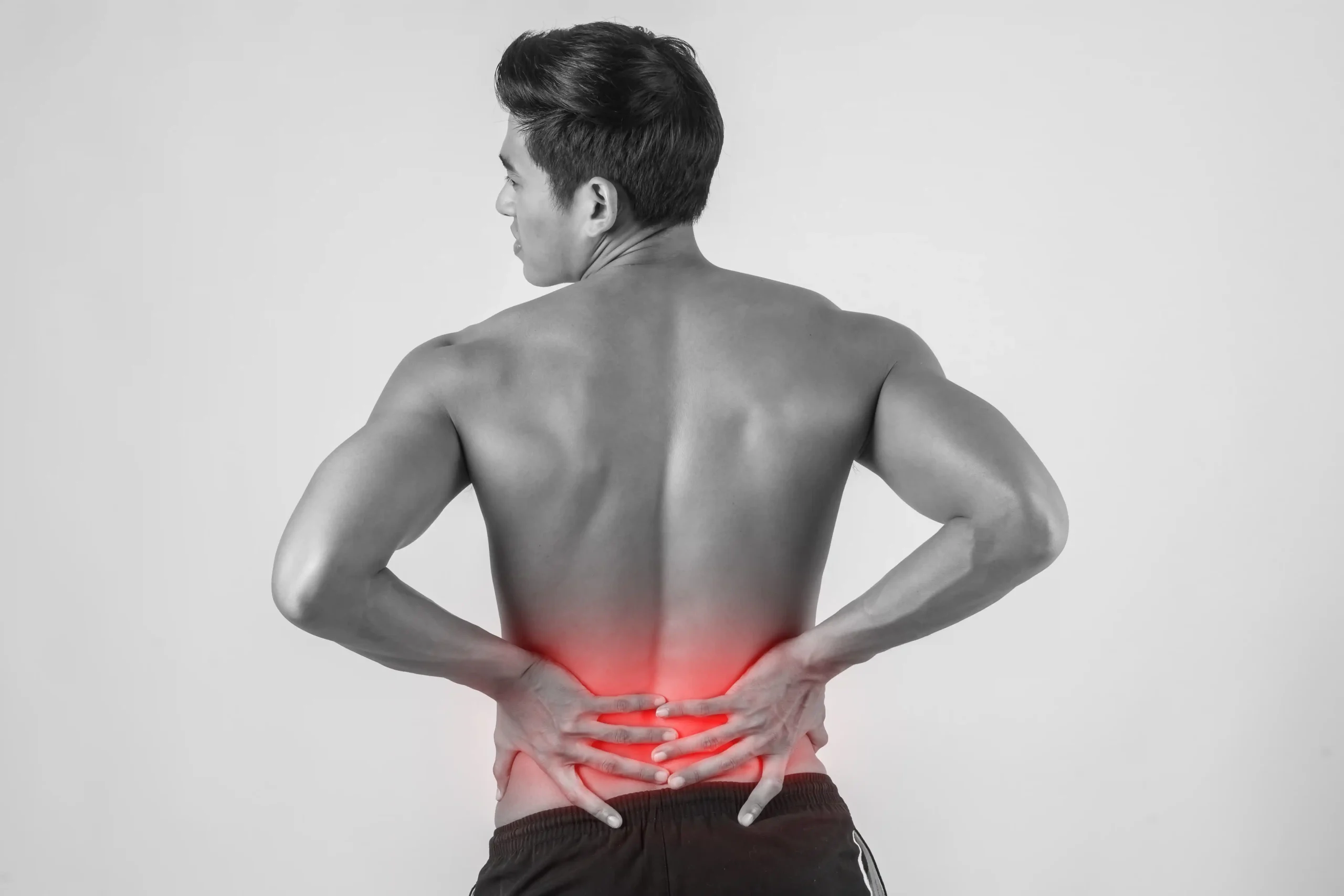
If you have ever felt a sharp, shooting pain running from your lower back all the way down your leg, you already know how completely sciatica can take over your life. It makes sitting uncomfortable, standing exhausting, and sleeping nearly impossible. Yet despite how debilitating it is, sciatica is one of the most commonly mismanaged conditions in everyday medical practice.
This guide is written for people who are dealing with sciatica and lower back pain right now — and want clear, honest answers about what is causing it, what actually helps, and how to recover faster.
What Is Sciatica and Why Does It Happen?
Sciatica is not a diagnosis on its own — it is a symptom. It describes pain that follows the path of the sciatic nerve, which originates from nerve roots in the lower lumbar spine, passes through the buttock, and travels down the back of the leg to the foot.
When something in the lower spine compresses or irritates these nerve roots — most commonly a herniated disc at the L4-L5 or L5-S1 level — the result is that characteristic radiating leg pain. The location of the pain in the leg often tells a skilled spine specialist exactly which nerve root is involved, even before an MRI is reviewed.
The most common causes of sciatica include:
- Lumbar disc herniation — accounts for approximately 90% of all sciatica cases
- Lumbar spinal stenosis — canal narrowing compressing multiple nerve roots
- Piriformis syndrome — the sciatic nerve compressed by the piriformis muscle in the buttock
- Spondylolisthesis — a vertebra slipping forward and narrowing the nerve exit
The Symptoms That Tell You It Is Sciatica
True sciatica has a specific character that distinguishes it from simple lower back muscle pain. If you are experiencing the following, you are likely dealing with nerve root compression rather than a muscle problem:
- Shooting, burning, or electric pain in one leg — usually worse than the back pain itself
- Pain that travels below the knee — often to the calf, ankle, or foot
- Numbness or tingling in specific areas of the leg or foot
- Weakness when lifting the foot — difficulty walking normally
- Pain that worsens when sitting, particularly in a car or at a desk
- Coughing or sneezing that sends a jolt of pain down the leg
One symptom that should never wait for a regular appointment: if you experience any changes in bladder or bowel control alongside leg pain, seek emergency spine evaluation immediately. This could indicate cauda equina syndrome — a rare but serious spinal emergency.
Why Most People Take Too Long to Get Better
The majority of sciatica patients we see have been managing their symptoms for months before seeking specialist care. In most cases, the delay follows a predictable pattern — initial rest and painkillers, then generic physiotherapy, then frustration when neither works well enough.
The problem is that sciatica from nerve root compression requires specific treatment — not generic back exercises. In fact, certain exercises frequently prescribed for back pain (sit-ups, forward bending stretches, toe touches) can actually increase pressure on the herniated disc and worsen sciatica symptoms significantly.
The two most important things to get right early are accurate diagnosis and specifically targeted physiotherapy. Everything else builds on these foundations.
What Actually Helps — The Evidence-Based Approach
Directional Preference Exercises
Research consistently shows that many sciatica patients have a directional preference — movements in one direction centralise their pain (bring it closer to the spine) while movements in the opposite direction peripheralise it (send it further down the leg). The McKenzie Method identifies this preference and builds a targeted exercise programme around it. For most disc-related sciatica, extension exercises (gentle backward bending) centralise pain far better than the flexion exercises typically prescribed for non-specific back pain.
Epidural Steroid Injections
When pain is severe enough to prevent meaningful physiotherapy, a targeted epidural steroid injection delivers anti-inflammatory medication directly to the irritated nerve root. This provides significant relief in 70-80% of patients — creating a window during which physiotherapy can become effective. Injections are not a cure, but they are an important tool in managing severe acute sciatica.
Activity Modification — Not Bed Rest
Complete bed rest is counterproductive for sciatica. The disc receives its nutrition through the fluid exchange that occurs during gentle movement — so maintaining activity, within the limits of pain, is actively therapeutic. Gentle walking is one of the most beneficial activities for sciatica patients. Avoiding the specific positions and movements that worsen symptoms — prolonged sitting, forward bending, and heavy lifting — is more important than avoiding activity altogether.
When to Consider Surgery
Surgery for sciatica is appropriate in specific circumstances. Clear surgical indications include:
- Cauda equina syndrome — this is an emergency
- Progressive leg weakness or foot drop developing despite conservative treatment
- Failure of 12 weeks of properly structured conservative care with persistent disabling pain
For patients who reach the surgical threshold, microdiscectomy performed by an experienced spine surgeon has a 90-95% success rate for leg pain relief. Most patients walk the day of surgery.
The L5 S1 Level — Why It Matters for Sciatica
The L5-S1 disc level is the most commonly affected level in lumbar disc herniation and sciatica. It sits at the very base of the lumbar spine, bearing the highest mechanical load of any disc in the body. When a disc herniation or bulge occurs here, it compresses the S1 nerve root producing a specific pattern — pain down the back of the leg to the heel, calf weakness, and reduced ankle reflex.
Patients experiencing these specific symptoms can find a comprehensive explanation of L5 S1 disc bulge treatment options — covering the difference between a bulge and herniation, what imaging findings mean, and the full range of conservative and surgical treatment options available.
Lifestyle Changes That Speed Up Recovery
Several practical changes make a meaningful difference in how quickly sciatica resolves:
- Sleeping on your side with a pillow between your knees reduces nerve root pressure during rest
- Replacing your chair with one that supports your lumbar lordosis — or adding a lumbar roll — reduces sitting-related disc pressure
- Getting up and moving every 30-40 minutes during desk work prevents sustained disc loading
- Maintaining a healthy weight reduces the compressive load on lumbar discs significantly
- Swimming is one of the best exercise options — it maintains cardiovascular fitness and gentle spinal movement without axial loading
Finding the Right Specialist
The quality of your sciatica diagnosis and treatment plan depends enormously on who you see. A spine specialist — rather than a general physician or physiotherapist — has the training to map your specific symptoms to a specific nerve root level, interpret your imaging in clinical context, and design a treatment plan that targets the actual cause of your pain. Patients across Delhi and NCR can access expert sciatica evaluation and treatment from the best spine surgeon in Delhi NCR — a dedicated specialist offering both conservative and surgical pathways.
Conclusion
Sciatica is treatable — but only when the underlying cause is accurately identified and the treatment is specifically targeted to that cause. Generic back pain management consistently fails sciatica patients because it addresses the symptom rather than the nerve root compression driving it. Best Spine Surgeon in Delhi — Dr. Amit Kumar Shridhar provides expert sciatica diagnosis and treatment across Delhi NCR, helping patients recover faster with the right approach from the start.